Understanding and Assessing Impacts
Prior to the adoption of the Green Roof Bylaw, the City of Toronto commissioned a team at Toronto Metropolitan University (known then as Ryerson University) to Report on the Environmental Benefits and Costs of Green Roof Technology for the City of Toronto (2005). This study was used to inform the 2006 Green Roof Strategy, demonstrating the economic, social and environmental benefits associated with the installation of green roofs at both the building and city-wide scale. The anticipated outcomes found in the study reinforced the rationale for the regulation, and guided the development of the technical standards and requirements.
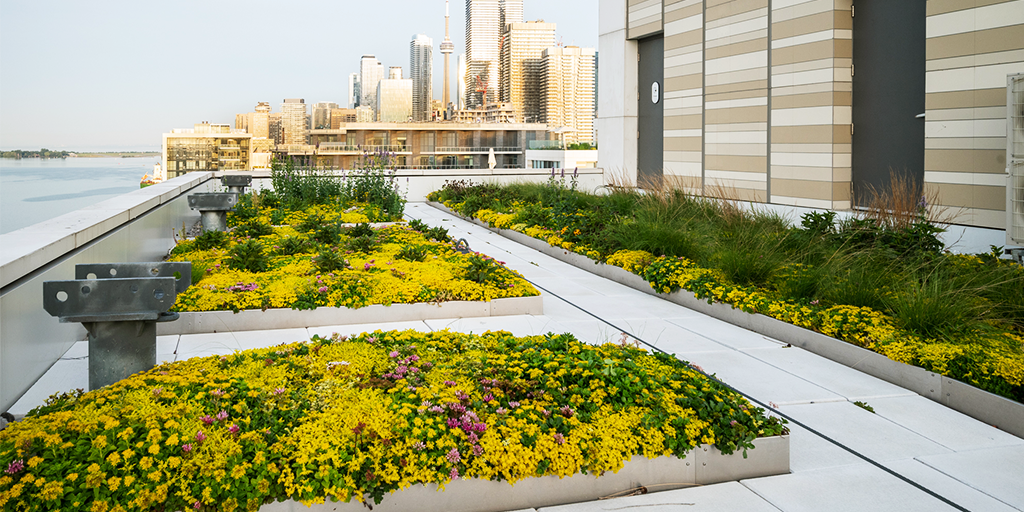
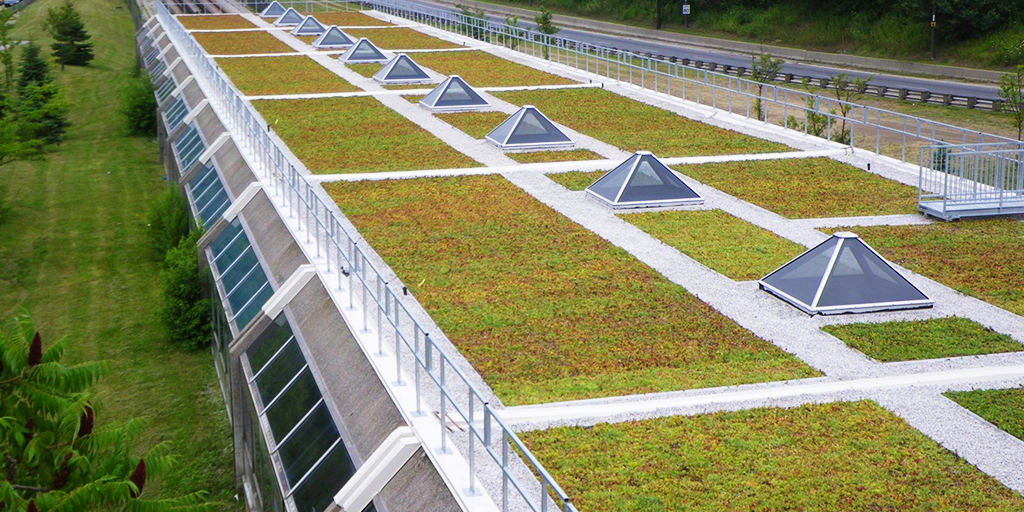
From a building performance perspective, the study found that green roofs helped reduce energy demand by moderating roof surface temperatures, improving thermal performance, and lowering heating and cooling loads, with additional benefits related to reduced greenhouse gas emissions. At the urban scale, green roofs were identified as effective tools for mitigating urban heat by cooling air temperatures and increasing vegetated surface area in dense urban environments. Stormwater retention represented a critical insight, as green roofs were found to improve capacity to retain rainfall, thereby reducing peak flows and alleviating pressure on stormwater systems, while also improving downstream water quality. The policy framework was further supported by the identified social benefits, including noise reduction, enhanced visual quality, and improved mental health and physical well-being associated with opportunities for urban agriculture, recreation, and increased access to nature, as well as overall nature-based beautification of urban infrastructure.
Use of Climate Information in Decision-Making
The policy was developed with a clear understanding of its environmental benefits and alignment with the City of Toronto’s broader climate resilience objectives. Grounded in research findings (from the Toronto Metropolitan University study and others) that confirmed that while other technologies can address stormwater and heat mitigation, green roofs uniquely and simultaneously deliver ecological benefits. These co-benefits were described in the Toronto Metropolitan University study as improved air quality through carbon sequestration and pollutant removal, and the support of biodiversity recovery through the creation of habitat for birds, pollinators, and other small urban wildlife species. These findings later informed the City’s Guidelines for Biodiverse Green Roofs and strengthened the technical standards incorporated into the Bylaw. Research from other institutions and input from technical experts, including groups such as the GRIT Lab, contributed critical applied knowledge on soil composition and plant selection, improving system performance and reinforcing ecological functions within the construction standards.
Toronto’s broader climate context has since evolved, with more direct integration of climate data into policy and planning. The City’s Resilience Strategy (2019) underscored the key pressures facing the city, including climate change, housing, mobility, and equity, and identified the Green Roof Bylaw specifically as positioning the city for greater resilience. More recent climate studies commissioned by the City, such as Toronto’s Current and Future Climate Report (2024) provide updated long-term climate projections documenting warming trends over the past 170+ years, with the ten warmest years on record occurring since 1998. Climate projections also indicate increasing frequency and intensity of extreme heat and precipitation events. These trends further reinforce the need for green infrastructure such as green roofs as integrated nature-based climate adaptation strategies across the city.